
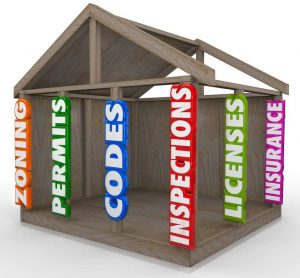
Zoning laws are regulations established by local governments to control the use of land within their jurisdictions. These laws divide an area into zones or districts, each with specific rules and restrictions regarding the types of activities or developments allowed. Zoning aims to promote orderly development, protect property values, and ensure compatibility among different land uses.
Here are some key aspects to understand about zoning laws:
- Zoning Districts: Cities and municipalities are typically divided into different zoning districts, such as residential, commercial, industrial, and agricultural. Each district has its own set of regulations governing the types of structures and activities permitted.
- Land Use Regulations: Zoning laws specify the permissible uses of land in each district. For example, residential zones may allow single-family homes, while commercial zones may permit businesses and retail establishments.
- Zoning Codes: Zoning regulations are often documented in zoning codes or ordinances. These codes outline the rules and standards for each zoning district, including building height, setbacks, lot size, parking requirements, and other parameters.
- Zoning Variances: In certain situations, property owners may request a variance from the standard zoning regulations. A variance is a special permission to deviate from the zoning code due to unique circumstances, such as topography, lot size, or other constraints. Variances are typically granted through a public hearing process.
- Conditional Use Permits: Some zoning laws allow for conditional use permits, which grant permission for specific uses under certain conditions. These uses may not be automatically allowed but can be approved if they meet specific criteria outlined in the zoning code.
- Zoning Board or Commission: Many municipalities have a zoning board or commission responsible for administering and enforcing zoning regulations. This body may also hear appeals, grant variances, and oversee other zoning-related matters.
- Zoning Map: Local governments often maintain a zoning map that illustrates the different zoning districts within the jurisdiction. This map helps property owners and developers understand the zoning of specific areas.
- Public Input: Zoning decisions typically involve public input, and there may be public hearings or opportunities for community members to express their opinions on proposed zoning changes or variances.
Understanding zoning laws is crucial for property owners, developers, and residents, as compliance with these regulations is necessary for obtaining permits and ensuring that new developments align with the community’s overall planning goals. Your Realtor at Meadows Property Group can assist you with any questions about zoning in your area.
Recent Comments