
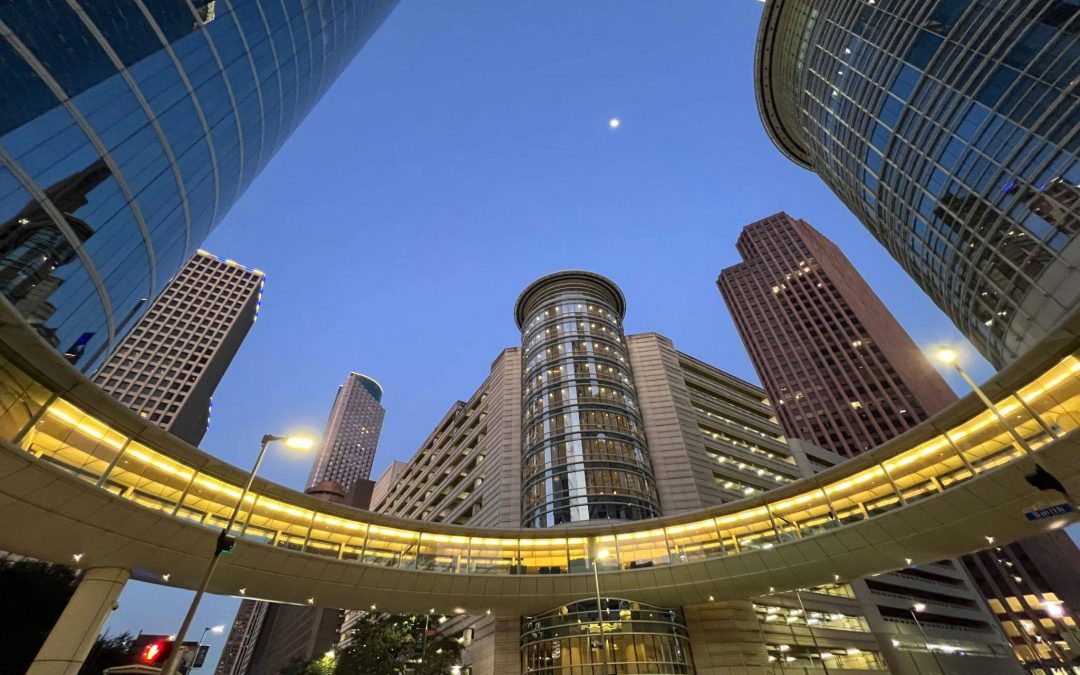
Houston isn’t a city with just one architectural identity—it’s a living catalog of styles, eras, and cultural influences layered on top of each other. From ornate Victorian homes to sleek modern skyscrapers, the city’s built environment tells a story of rapid growth, economic booms, and a constant willingness to reinvent itself.
A City Without a Single Style
Unlike cities shaped by strict zoning or a unified historical plan, Houston developed organically. The result is an eclectic mix where bungalows sit next to glass towers and Mediterranean villas coexist with ultra-modern homes. This diversity reflects waves of development tied to industry and population growth rather than a single architectural doctrine. ()
Historic Foundations: 19th Century Beginnings
Houston’s earliest surviving architecture can be seen in preserved structures like those in Sam Houston Park. These homes, including examples of Greek Revival design, date back to the mid-1800s and represent the city’s earliest building traditions. ()
Victorian-era architecture followed, particularly in historic districts. These homes are known for:
- Intricate woodwork and decorative trim
- Asymmetrical shapes and steep roofs
- Large porches and bold colors ()
Today, neighborhoods like the Heights still preserve many of these details, offering a glimpse into Houston’s early residential life.
Early 20th Century: Craftsmanship and Revival Styles
As Houston expanded in the early 1900s, new neighborhoods introduced a wide range of architectural styles:
- Craftsman Bungalows: Simple, functional homes with large porches and exposed beams, especially common between 1905–1925. ()
- Colonial Revival: Symmetrical facades, columns, and a nod to early American architecture. ()
- Prairie and American Foursquare: Emphasizing horizontal lines and practical layouts. ()
Neighborhoods like Norhill, Eastwood, and Montrose became showcases of these styles, each reflecting broader national trends adapted to Houston’s climate and lifestyle.
Art Deco and Urban Growth
By the 1920s and 1930s, Houston began developing a more urban identity. Art Deco architecture appeared in theaters, shopping centers, and civic buildings, characterized by:
- Geometric patterns
- Stylized ornamentation
- Bold, streamlined forms
River Oaks, for example, features notable Art Deco landmarks that still anchor the area’s visual identity today. ()
Mid-Century Modern: Innovation Meets Climate
Post–World War II growth brought a wave of suburban development and experimentation. Mid-century modern homes became popular, especially in neighborhoods like Memorial Bend. These houses emphasized:
- Open floor plans
- Large glass walls
- Integration with outdoor spaces ()
Architects designed these homes to suit Houston’s heat, often incorporating patios, atriums, and natural ventilation.
Contemporary Houston: Skyscrapers and Adaptive Reuse
Modern Houston is defined by its skyline and ongoing reinvention. Downtown features high-rise office towers, many of which have been converted into residential lofts, blending historic structures with contemporary living. ()
At the same time, new developments continue to push boundaries—mixing glass, steel, and sustainable design principles. The city’s lack of zoning has allowed for bold experimentation, resulting in a uniquely dynamic urban landscape.
A Living Architectural Timeline
What makes Houston special isn’t a single iconic style—it’s the coexistence of many. You can walk through one neighborhood and see:
- A Victorian cottage
- A Craftsman bungalow
- A mid-century ranch home
- A modern minimalist townhouse
Each building represents a different chapter in the city’s evolution
Houston’s architecture is best understood as a timeline you can explore in real life. It reflects migration, industry, culture, and climate—all shaping how and where people live. Whether you’re an architecture enthusiast or a casual observer, the city offers a rich and ever-changing visual experience that rewards curiosity.
In Houston, the story isn’t just in the skyline
Recent Comments