
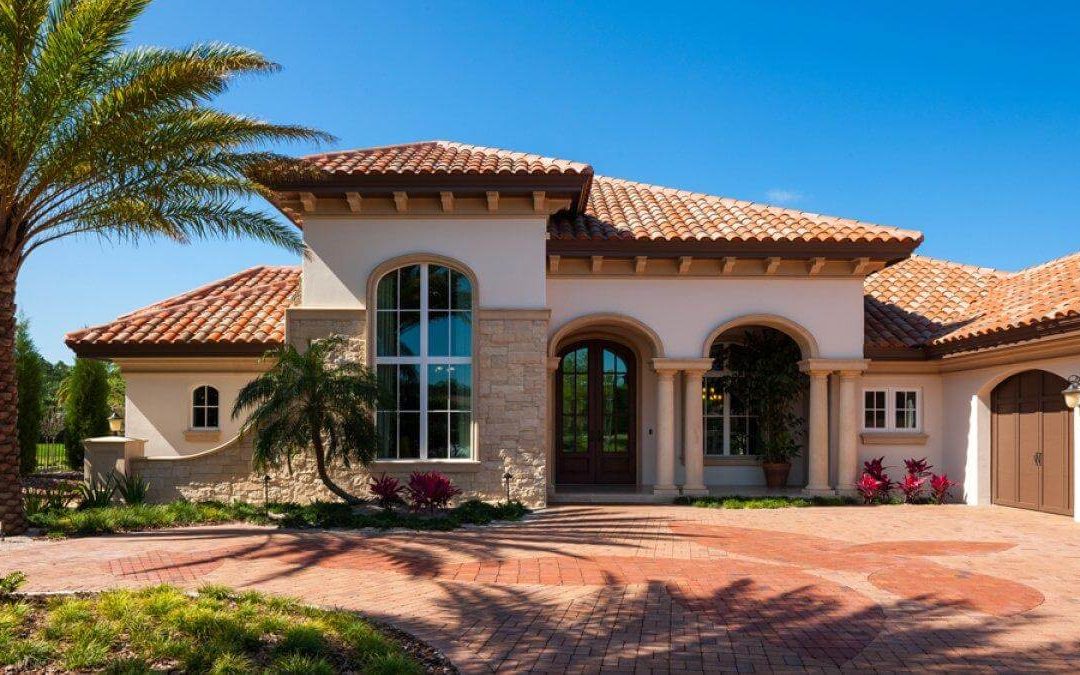
Your roof is one of the most important investments you’ll make in your home. It protects your family, enhances curb appeal, improves energy efficiency, and can even increase your home’s value. With so many options available, choosing the right roofing material comes down to your budget, style, climate, and long-term goals.
Asphalt Shingles
Asphalt shingles are the most popular roofing choice in the United States because they are affordable, easy to install, and available in a wide variety of colors and styles.
Pros:
- Budget-friendly
- Easy to repair or replace
- Available in many colors and designs
- Typical lifespan of 20–30 years
Best for: Homeowners looking for a cost-effective roofing solution.
Metal Roofing
Metal roofs have become increasingly popular due to their durability and energy efficiency. They reflect heat, helping reduce cooling costs, and can withstand severe weather.
Pros:
- Lasts 40–70 years
- Energy efficient
- Fire and wind resistant
- Low maintenance
Best for: Homeowners planning to stay in their home for many years or those living in areas with extreme weather.
Tile Roofing
Clay and concrete tile roofs offer timeless beauty and exceptional longevity. They are common in Mediterranean, Spanish, and Southwestern-style homes.
Pros:
- Extremely durable (50–100 years)
- Fire resistant
- Excellent curb appeal
- Low maintenance
Cons:
- Higher initial cost
- Heavy, which may require additional structural support
Best for: Luxury homes or homeowners seeking long-term durability and distinctive style.
Slate Roofing
Slate is considered one of the most premium roofing materials available. Its natural stone appearance provides unmatched elegance and longevity.
Pros:
- Can last over 100 years
- Extremely durable
- Fire resistant
- Adds significant value to a home
Cons:
- Expensive
- Heavy and requires specialized installation
Best for: Historic, luxury, or custom-built homes.
Wood Shakes and Shingles
Wood roofing offers a warm, natural appearance that complements rustic and traditional homes.
Pros:
- Beautiful natural look
- Good insulation
- Environmentally friendly when sustainably sourced
Cons:
- Requires more maintenance
- More susceptible to moisture, insects, and fire without proper treatment
Best for: Homeowners who value natural aesthetics and are willing to maintain their roof.
Synthetic Roofing Materials
Composite roofing products are designed to mimic slate, wood, or tile while offering improved durability and lower maintenance.
Pros:
- Lightweight
- Durable
- Lower maintenance
- Often more affordable than natural materials
Best for: Homeowners who want the appearance of premium roofing materials without the premium price.
Questions to Ask Before Choosing a Roof
- What is my budget?
- How long do I plan to live in the home?
- What roofing materials perform best in my local climate?
- What level of maintenance am I comfortable with?
- Will this roofing material complement my home’s architectural style?
- What warranties are offered by the manufacturer and installer?
The Bottom Line
The right roof is about more than appearance—it’s about protecting your investment for years to come. By considering durability, maintenance, energy efficiency, and cost, you can choose a roofing material that fits both your lifestyle and your budget.
If you’re preparing to buy or sell a home, understanding the condition and type of roof can also play an important role in negotiations, insurance costs, and overall home value.
Recent Comments