
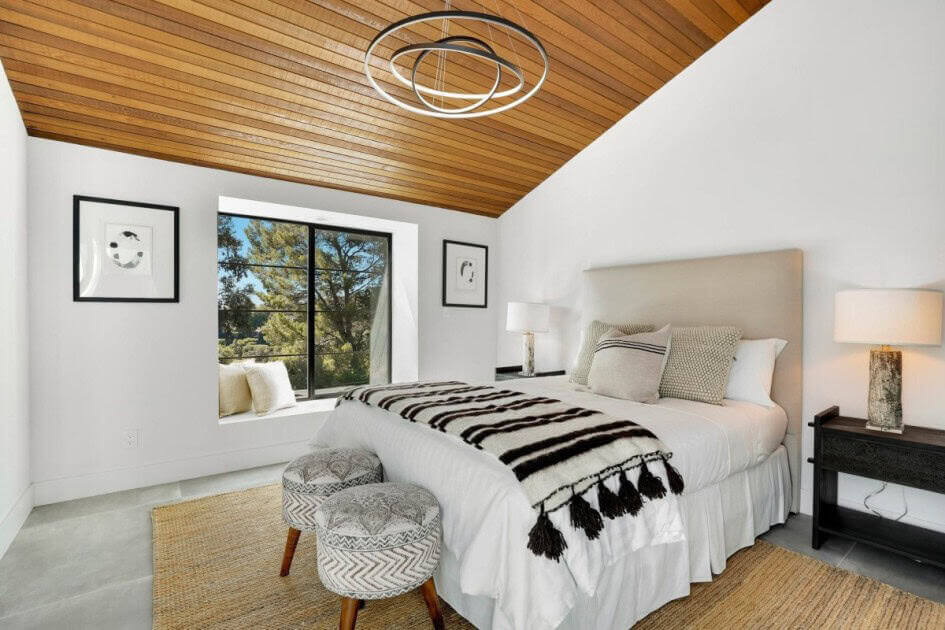
Over personalizing the Space
Family photos, bold artwork, and highly specific decor styles can make it harder for buyers to connect with the home. When someone walks in, they shouldn’t feel like they’re visiting your house—they should feel like it could be theirs.
What to do instead:
Keep decor neutral and minimal. A few tasteful pieces go a long way without overwhelming the space.
Ignoring Curb Appeal
First impressions happen before buyers even step inside. A neglected exterior—overgrown lawn, chipped paint, or cluttered porch—can instantly lower expectations.
What to do instead:
Freshen up landscaping, add a clean welcome mat, and consider small touches like potted plants or a freshly painted front door.
Using Too Much Furniture
Trying to fill every inch of a room often makes spaces feel smaller than they actually are. Oversized furniture can be especially problematic.
What to do instead:
Edit your furniture. Keep only what defines the purpose of the room and creates an open, easy flow.
Neglecting Lighting
Dark rooms feel smaller and less inviting. Poor lighting can make even a beautiful home feel dull.
What to do instead:
Maximize natural light—open curtains and clean windows. Add lamps or brighter bulbs where needed to create a warm, welcoming glow.
Leaving Clutter Behind
Clutter distracts buyers and makes it harder for them to see the home’s features. This includes everything from crowded countertops to overstuffed closets.
What to do instead:
Declutter aggressively. Clear surfaces, organize storage spaces, and aim for a clean, streamlined look.
Forgetting About Odors
Smells—good or bad—can make a strong impression. Pet odors, cooking smells, or even heavy air fresheners can be off-putting.
What to do instead:
Deep clean the home and keep scents subtle. Fresh air and a clean environment are more effective than overpowering fragrances.
Poor Room Definition
Empty or oddly arranged rooms can confuse buyers. If they don’t understand how a space is used, they may undervalue it.
What to do instead:
Stage each room with a clear purpose—home office, guest bedroom, reading nook—so buyers can easily visualize its function.
Ignoring Small Repairs
Loose handles, chipped paint, or squeaky doors might seem minor, but they signal neglect to buyers.
What to do instead:
Fix the small stuff. These quick, inexpensive repairs can significantly improve the overall impression of your home.
Going Too Trendy
Ultra-trendy designs may look great on social media but can quickly feel dated or polarizing.
What to do instead:
Stick with timeless, neutral styles that appeal to a broader audience.
Skipping Professional Photos
Even perfectly staged homes can fall flat online with poor photography. Since most buyers start their search online, photos matter more than ever.
What to do instead:
Invest in professional real estate photography to showcase your home in the best l
Home staging isn’t about perfection—it’s about presentation and perception. By avoiding these common mistakes, you create a space that feels inviting, functional, and move-in ready.
When done right, staging doesn’t just make your home look better—it helps buyers fall in love with it faster.
Recent Comments